A trap is a practical tool used to control unwanted animals and insects in farming, storage areas, gardens, and indoor spaces. It is commonly used to manage issues such as mice, fruit flies, and other pests that can damage crops, contaminate stored goods, or create hygiene problems in agricultural and residential environments.
If you are facing pest or animal issues in an agricultural field, dairy farm, warehouse, garden, or even an office or home setting, using a suitable control device can be an effective solution. These tools are designed to capture pests safely and efficiently, either by allowing entry without exit or by securely holding part of the animal or insect, helping to reduce infestations without causing widespread disruption.
There are many different designs available on the market, each created for specific situations and pest types. Selecting the right option depends on where the problem exists, the type of pest involved, and how frequently control is needed. Choosing an appropriate solution is especially important in farming and gardening, where crop protection and cleanliness directly affect productivity.
In this guide, we will explore seven of the most effective pest-control devices, explain where each works best, and share practical tips on how to use them correctly for long-term results.
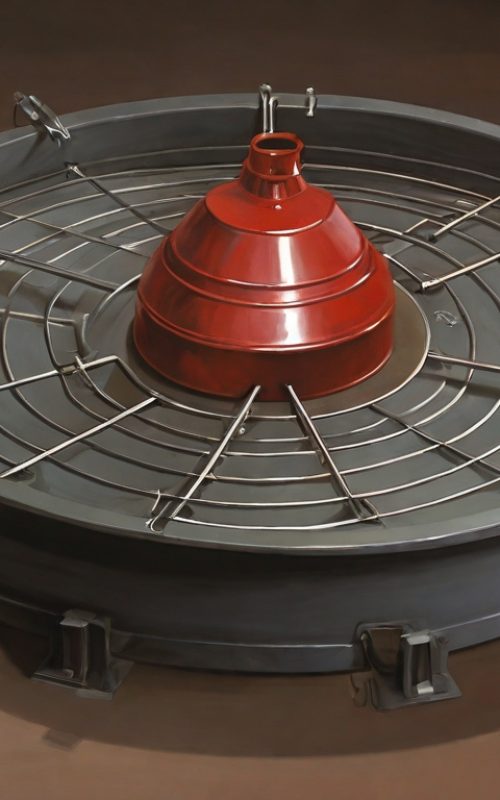
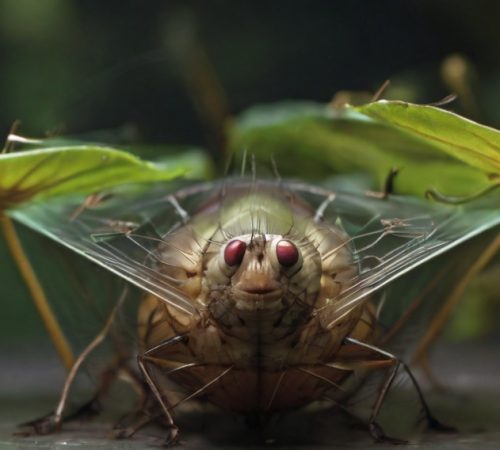
The first type of device is used to control the mouse is called trap. Mouse snares are small devices that are placed in areas where mice are known to frequent. When a mouse steps on the trigger, the snare snaps shut, killing the mouse instantly. These are an effective way to get rid of mice quickly and efficiently. Another type of snare is the fruit fly trap. Fruit fly traps are small devices that are placed near areas where fruit flies are known to congregate.
The last type of snare we will discuss is the live trap. Live traps are devices that are used to capture animals alive. These snares can be used for a variety of different animals, including rabbits, squirrels, and raccoons. Live snare are an effective way to get rid of unwanted animals quickly and efficiently.
Selecting the correct trap is a crucial first step in effective pest and animal control. In the United States, homes, farms, gardens, warehouses, and food storage facilities face a wide range of pest challenges. From rodents and insects to small wildlife, each situation requires a specific solution. Understanding pest behavior, proper placement, and ongoing maintenance significantly increases success rates while minimizing harm and property damage.
Before choosing any trapping solution, it is essential to correctly identify the pest or animal causing the problem. Different traps are designed for different species, and using the wrong option often leads to poor results.
For indoor rodent problems, mouse traps and rat control devices are specifically engineered to manage small rodents efficiently. These tools target mice that commonly infest kitchens, basements, garages, and storage rooms. For insect issues, fruit fly traps are ideal for controlling flies that gather around food waste, ripened fruit, drains, or compost areas.
In outdoor or agricultural environments, larger animals such as squirrels, rabbits, raccoons, or groundhogs may require live animal traps. These are designed to capture animals safely without causing injury, making them suitable for farms, gardens, and suburban properties where humane pest control is a priority.
Once the pest is identified, selecting a trap that matches your environment is equally important. Indoor pest control requires compact, odor-free solutions that are safe for homes with children or pets. Mouse traps designed for indoor use are typically placed discreetly and work best in enclosed spaces.
Fruit fly control methods are most effective in kitchens, restaurants, food processing areas, and pantries. Many fruit fly traps use natural attractants and work continuously over time, making them a popular choice for ongoing insect management.
For outdoor settings such as farms, orchards, gardens, or barns, live capture traps provide a reliable option for controlling wildlife while complying with local regulations and ethical standards.
Correct placement plays a major role in how successful any trap will be. Mouse traps should be positioned along walls, near holes, entry points, or areas where droppings and gnaw marks are visible. Mice tend to travel along edges rather than open spaces, so placement along these paths increases capture rates.
Fruit fly traps should be placed close to food sources, trash bins, drains, or compost containers. Positioning them where flies naturally gather improves their ability to attract and capture insects effectively.
Live animal traps should be set along known animal pathways, near burrows, fence lines, or feeding areas. Using the correct bait—such as fruits, vegetables, or grains, depending on the animal—helps attract the target species more efficiently.
Effective pest control requires patience and consistent monitoring. Mouse traps may capture one or two rodents before needing to be reset or replaced. Fruit fly traps can catch dozens of insects over several days or weeks before losing effectiveness. Live animal traps usually hold one animal at a time and must be checked frequently to ensure humane handling and compliance with local wildlife regulations.
Regular inspection also helps identify whether adjustments in placement or bait are needed for improved results.
This fruit flies Trap a ready-to-use, non-staining lure that is specifically designed to attract adult fruit flies. It features an apple-shaped design that blends in with the fruit that fruit flies are attracted to, making it an effective and visually pleasing solution for fruit fly infestations. The trap has a built-in window that allows you to easily monitor the progress of the trap and the window changes color from yellow to brown as it catches more pests. Each snare can last up to 45 days, giving you up to 90 days of protection.
This trap is designed to be used in commercial settings and is a powerful, professional-grade solution for fruit fly infestations. It features a UV light that attracts fruit flies, and a powerful vacuum that sucks them into the trap, where they cannot escape. The trap is easy to use, and it can be placed in a variety of locations, including kitchens, bars, and restaurants.
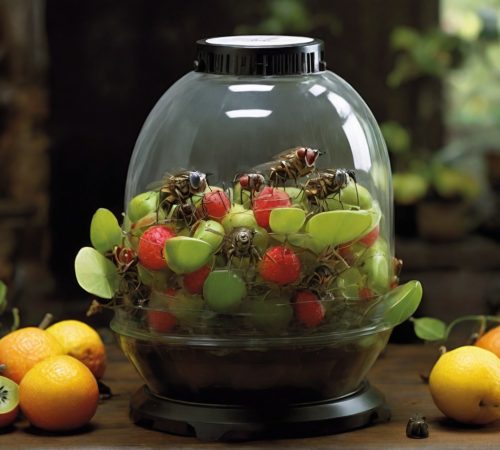
Fruit flies are one of the most common pests found in homes, gardens, orchards, and food storage areas. They reproduce quickly and are attracted to ripened or rotting fruits, vegetables, and organic waste. Controlling fruit flies effectively requires a combination of prevention, cleanliness, and targeted control methods. By using the right approach, infestations can be reduced without relying heavily on chemical pesticides.
Prevention is one of the most effective ways to control fruit flies. These insects are primarily attracted to overripe, damaged, or rotting fruits and vegetables. Removing spoiled produce from kitchens, storage rooms, and gardens significantly reduces their breeding sources.
Fresh fruits should be stored in refrigerators or sealed containers whenever possible. In gardens and orchards, fallen fruits should be collected and disposed of promptly. Compost bins should be properly covered, and organic waste should not be left exposed for long periods. By eliminating food sources, fruit flies are less likely to settle and multiply.
Maintaining dry and clean surfaces also plays an important role. Fruit flies are attracted to moisture, so wiping down sinks, counters, and drains regularly helps reduce ideal breeding conditions.
Keeping the surrounding area clean is essential for long-term fruit fly management. Food residues, spilled juices, and sticky surfaces create ideal environments for fruit flies to thrive. Regular cleaning of kitchens, food preparation areas, and storage spaces helps break the life cycle of these pests.
Trash bins should be emptied frequently and cleaned to remove any organic residue. Drain areas should also be cleaned, as fruit flies often lay eggs in moist organic buildup inside pipes. Using natural cleaning solutions or hot water can help reduce fly attraction without introducing harmful chemicals.
In agricultural and garden settings, removing plant debris and decaying organic matter improves overall hygiene and limits fruit fly breeding grounds.
Sticky traps are a simple and effective physical method for controlling fruit fly populations. These traps work by attracting flies and trapping them on a sticky surface, preventing further reproduction. They are particularly useful in gardens, near fruit trees, compost areas, and indoor kitchens.
For best results, sticky traps should be placed near areas where fruit flies are most active, such as around fruit bowls, near trash bins, or close to garden plants. While sticky traps do not eliminate the root cause of infestations, they help monitor population levels and reduce adult flies.
Sticky traps are non-toxic and safe to use around food areas, making them an ideal solution for homes and organic farming environments.
An Integrated Pest Management (IPM) approach is one of the most effective and sustainable methods for fruit fly control. IPM combines multiple strategies rather than relying on a single solution. This method focuses on long-term prevention, minimal environmental impact, and efficient pest control.
Cultural practices include proper sanitation, crop rotation, timely harvesting, and removal of infested fruits. These methods reduce breeding sites and limit the spread of fruit flies naturally.
Physical controls include sticky traps, fruit fly traps, nets, and barriers. These tools help capture or block flies without using chemicals and are suitable for both indoor and outdoor use.
Biological control involves using natural predators or beneficial organisms that reduce fruit fly populations. This method is commonly used in larger agricultural settings and supports eco-friendly pest management.
Chemical pesticides should only be used when other methods are not sufficient. When necessary, targeted and approved solutions should be applied carefully to avoid harm to beneficial insects, crops, and the environment.
Using an IPM strategy reduces dependence on chemical pesticides, protects beneficial insects, and promotes environmental safety. It also improves the overall effectiveness of fruit fly control by addressing the problem from multiple angles.
This approach is especially valuable for organic farms, home gardens, food storage facilities, and kitchens where safety and sustainability are top priorities.
Pest control devices play a critical role in modern agriculture and farming systems. Farms, storage units, and rural properties are constantly exposed to rodents, insects, and small animals that can damage crops, contaminate food supplies, and harm infrastructure. Effective pest management solutions help farmers protect their investments while maintaining hygiene, safety, and sustainability.
In agricultural fields, pests such as mice, rats, and insects feed on seeds, roots, and young plants, leading to reduced yields and uneven crop growth. Pest control devices help limit this damage by targeting unwanted activity at early stages. In grain storage facilities and warehouses, these tools reduce the risk of contamination, spoilage, and financial loss by controlling pests around stored produce.
For farmers, using mechanical and non-chemical control methods reduces dependency on pesticides, supports environmentally friendly practices, and improves long-term farm health. When placed correctly and monitored regularly, pest control tools offer continuous protection across farming, gardening, and storage environments.
Mice are among the most common and destructive pests found in residential, agricultural, and commercial settings. They contaminate food, damage wiring, destroy packaging, and reproduce rapidly if left unmanaged. Effective mouse control begins with choosing tools specifically designed for rodent behavior.
Mouse control devices work best when placed along walls, near entry points, behind equipment, or in areas where droppings and gnaw marks are visible. Mice prefer to travel along edges rather than open spaces, making strategic placement essential for success.
In homes and small storage units, compact mouse traps are usually sufficient when combined with proper sanitation practices such as sealing food containers, removing clutter, and blocking access gaps. On farms, barns, and dairy units, stronger and more durable designs may be required due to higher rodent activity and open environments.
Regular inspection is important. Devices should be checked frequently and reset or replaced as needed to maintain effectiveness. Combining physical control tools with good hygiene significantly reduces reinfestation risks.
Live capture solutions are widely used when humane pest management is a priority. These tools are designed to safely capture animals such as squirrels, rabbits, raccoons, and other small wildlife without causing injury. They are especially suitable for gardens, orchards, farms, and rural properties where coexistence with wildlife is common.
When used properly, live capture devices are safe for animals, people, and the surrounding environment. To ensure ethical handling, captured animals should be released promptly in accordance with local wildlife laws and guidelines. It is important to check traps frequently, especially in warm or cold weather, to avoid unnecessary stress.
Providing shade, ventilation, and protection from extreme weather conditions improves animal welfare during temporary containment. This approach supports responsible pest control while maintaining ecological balance and avoiding harmful chemical solutions.
Fruit flies are a common nuisance in homes, food storage areas, restaurants, and gardens. They are attracted to ripened fruits, organic waste, compost bins, drains, and moist surfaces. Fruit fly control tools are specifically designed to target these insects and are highly effective when used correctly.
These solutions typically work by attracting flies using scent-based bait or natural attractants and trapping them once they enter. Placement is critical for success. Fruit fly traps should be positioned near sinks, trash cans, fruit bowls, food preparation areas, or compost piles where fly activity is highest.
In gardens and outdoor spaces, placing control tools near compost bins or decaying plant matter improves results. Regular cleaning, removing overripe produce, managing moisture, and maintaining proper sanitation further enhance effectiveness. These methods are especially valuable in food-sensitive areas where chemical sprays are not recommended.
The effectiveness of pest control devices depends heavily on regular monitoring and maintenance. The frequency of checking or replacing tools varies based on the type used and the level of pest activity.
Mouse control devices may require attention after capturing one or two rodents, while insect-focused solutions such as fruit fly traps can remain effective for longer periods. Devices placed outdoors or in agricultural environments should be inspected more frequently due to higher exposure to weather, dust, and pest movement.
Regular checks prevent odors, ensure humane handling, and confirm that the devices are functioning correctly. Cleaning, resetting, or replacing components according to manufacturer guidelines helps maintain performance and reduces the likelihood of reinfestation. Consistent upkeep is essential for achieving long-term pest management success.
Using the right pest control devices offers multiple benefits for farmers, gardeners, and property managers. These tools help protect crops, reduce food loss, maintain hygiene, and support sustainable farming practices. They also minimize reliance on chemical pesticides, contributing to safer food production and environmental protection.
By combining proper pest identification, correct device selection, strategic placement, and regular monitoring, users can achieve effective control across homes, farms, gardens, and storage facilities.
Pest control devices are a practical and essential component of modern agriculture and pest management strategies. When used responsibly, they provide efficient, humane, and environmentally friendly solutions for managing rodents, insects, and small animals. Consistency, correct placement, and maintenance are the keys to long-term success.
Agriculture Tool @2026. All Rights Reserved Developed By Raootech