Importance of Agriculture Tools in Modern Agriculture
Agriculture has always been the backbone of human civilization. From feeding populations to supporting national economies, the role of agriculture is fundamental. However, modern agriculture is no longer dependent solely on traditional practices. Today, agricultural tools play a decisive role in improving productivity, reducing labor dependency, enhancing precision, and ensuring sustainability. The importance of agricultural tools in modern agriculture cannot be overstated, as they directly impact crop yield, resource management, profitability, and environmental protection.
With rapid population growth, climate change, shrinking arable land, and rising input costs, farmers must produce more with fewer resources. This challenge has made agricultural tools an essential component of modern farming systems. From simple hand tools to advanced digital agriculture technologies, tools are transforming how agriculture is planned, executed, monitored, and optimized.
This comprehensive guide explores the importance of agricultural tools in modern agriculture, their types, benefits, role in sustainable farming, and how they help farmers stay competitive in a rapidly evolving agricultural landscape.
What Are Agriculture Tools?
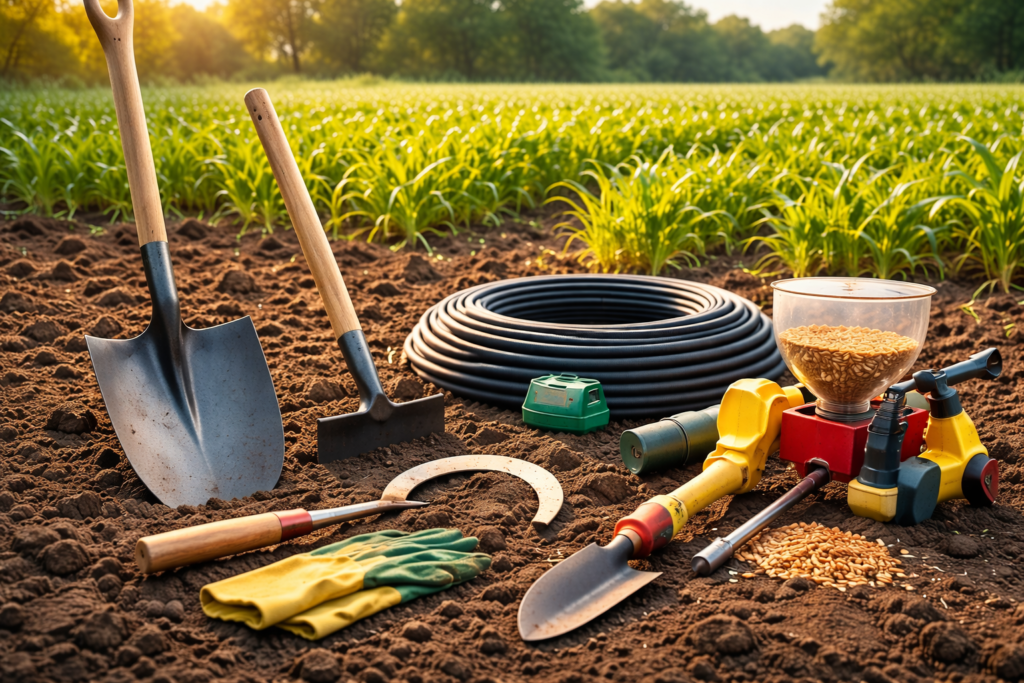
Agriculture tools refer to equipment, machines, devices, and technologies used to perform farming operations efficiently. These tools support every stage of the agricultural cycle, including land preparation, sowing, irrigation, fertilization, crop protection, harvesting, storage, and data management.
Agriculture tools range from basic hand-held implements to sophisticated smart farming solutions. In modern agriculture, tools are designed not only to reduce physical labor but also to improve accuracy, speed, and decision-making.
Evolution of Agricultural Tools
Traditional Agriculture Tools
In early agriculture, farmers relied on simple tools such as plows, sickles, hoes, and animal-driven equipment. These tools improved efficiency compared to manual labor but were limited in scale and precision.
Mechanization in Agriculture
The introduction of tractors, harvesters, seed drills, and irrigation pumps marked a major shift in agriculture. Mechanization allowed farmers to cultivate larger areas, reduce labor costs, and increase productivity.
Digital and Smart Agriculture Tools
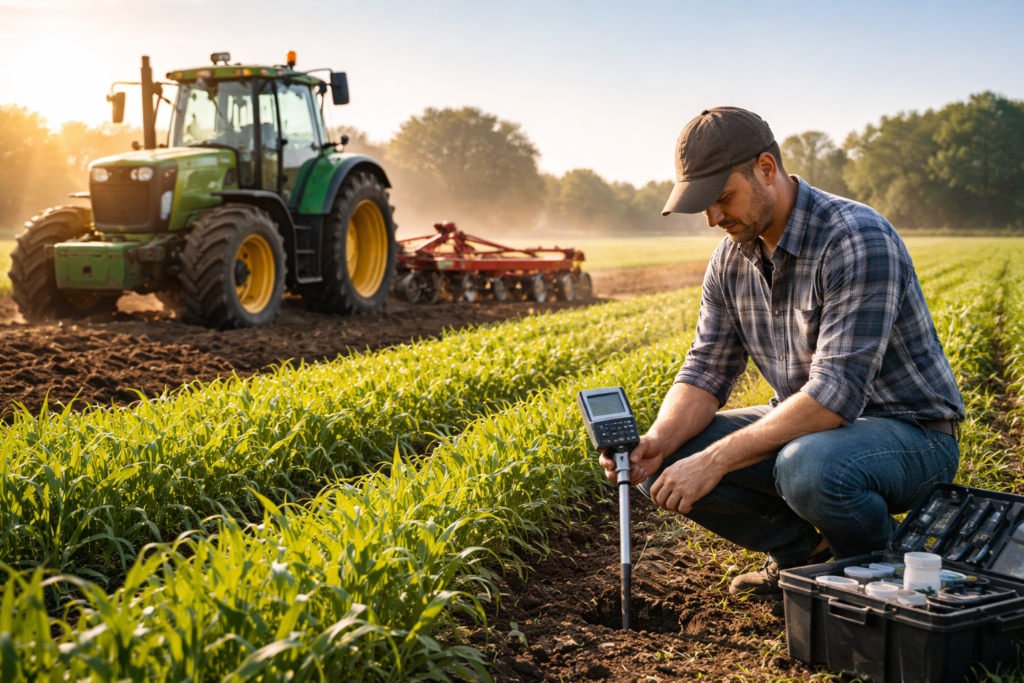
Modern agricultural tools now include GPS-guided machinery, drones, sensors, farm management software, and AI-powered analytics. These tools enable precision agriculture, data-driven decisions, and optimized resource use.
Importance of Agriculture Tools in Modern Agriculture
Increased Productivity and Yield
One of the most significant benefits of agricultural tools is their ability to substantially increase crop productivity. Modern tools ensure accurate planting, timely irrigation, balanced fertilization, and effective pest control, all of which contribute to higher yields.
Precision agriculture tools help farmers apply inputs exactly where needed, reducing waste and maximizing output per acre. This efficiency is critical in meeting global food demand.
Efficient Use of Resources
Agriculture tools enable efficient use of water, fertilizers, seeds, and energy. Drip irrigation systems, soil moisture sensors, and nutrient management tools reduce overuse and prevent resource depletion.
Efficient resource utilization not only lowers production costs but also supports sustainable agriculture practices.
Reduction in Labor Dependency
Labor shortages are a growing concern in agriculture worldwide. Mechanized and automated agriculture tools reduce reliance on manual labor, allowing farmers to manage large operations with fewer workers.
Tools such as automatic planters, harvesters, and milking machines save time and reduce physical strain on farmers.
Improved Precision and Accuracy
Modern agricultural tools enhance precision in farming operations. GPS-enabled tractors, variable rate applicators, and smart sprayers ensure that seeds, fertilizers, and pesticides are applied with high accuracy.
This precision reduces crop damage, minimizes chemical runoff, and improves overall farm efficiency.
Cost Reduction and Profitability
Although some agricultural tools require initial investment, they lead to long-term cost savings. Reduced input waste, lower labor expenses, and improved yield quality increase farm profitability.
Farmers using modern agricultural tools are better positioned to manage risks and achieve stable income.
Types of Agriculture Tools Used in Modern Agriculture
Land Preparation Tools
Land preparation is the foundation of successful agriculture. Modern tools ensure proper soil structure and aeration.
Common Land Preparation Tools
Tractors
Plows
Harrows
Cultivators
Rotavators
These tools prepare the soil efficiently, improving root penetration and water retention.
Sowing and Planting Tools
Accurate sowing is critical for uniform crop growth. Modern agricultural tools ensure correct seed depth and spacing.
Popular Sowing Tools
Planters
Transplanters
Precision seeders
These tools reduce seed wastage and improve germination rates.
Irrigation Tools
Water management is a key factor in modern agriculture. Efficient irrigation tools help conserve water and improve crop health.
Advanced Irrigation Tools
Drip irrigation systems
Sprinkler systems
Soil moisture sensors
Automated irrigation controllers
These tools ensure crops receive the right amount of water at the right time.
Fertilizer and Nutrient Management Tools
Balanced nutrition is essential for healthy crops. Modern agricultural tools enable precise nutrient application.
Nutrient Management Tools
Fertilizer spreaders
Variable rate applicators
Soil testing kits
Nutrient management software
These tools prevent over-fertilization and reduce environmental impact.
Crop Protection Tools
Pests, diseases, and weeds can significantly reduce yields. Agriculture tools help manage these threats effectively.
Crop Protection Tools
These tools improve pest control while minimizing chemical use.
Harvesting Tools
Harvesting at the right time and with minimal loss is critical in agriculture.
Modern Harvesting Tools
Combine harvesters
Mechanical reapers
Threshers
Fruit picking machines
These tools increase harvesting speed and reduce post-harvest losses.
Post-Harvest and Storage Tools
Post-harvest management is a vital part of modern agriculture.
Storage and Processing Tools
Grain storage silos
Dryers
Sorting and grading machines
Cold storage systems
These tools preserve quality and extend shelf life.
Digital and Smart Agriculture Tools
Technology-driven agriculture tools are transforming modern farming.
Smart Agriculture Tools
Farm management software
GPS-enabled machinery
Agricultural drones
IoT sensors
AI-based crop monitoring tools
These tools enable data-driven agriculture and real-time decision-making.
Role of Agriculture Tools in Precision Agriculture
Precision agriculture focuses on applying the right input, at the right place, at the right time. Agriculture tools are the backbone of this approach.
Precision tools use data from soil tests, satellite imagery, and sensors to optimize farming practices. This leads to improved efficiency, reduced environmental impact, and higher profitability.
Importance of Agriculture Tools in Sustainable Agriculture
Sustainability is a major goal of modern agriculture. Agriculture tools support sustainable farming in several ways:
Reduced chemical usage
Efficient water management
Lower carbon footprint
Soil health preservation
Biodiversity protection
By adopting modern agricultural tools, farmers can balance productivity with environmental responsibility.
Impact of Agriculture Tools on Small and Large Farms
Small-Scale Farmers
Affordable and easy-to-use agriculture tools empower small farmers to improve productivity and income. Mobile-based farm tools, small machinery, and shared equipment models are particularly beneficial.
Large-Scale Farms
Large farms rely heavily on advanced agricultural tools for managing operations across vast areas. Automation, analytics, and smart machinery are essential for scalability and efficiency.
Challenges in Adopting Modern Agriculture Tools
Despite their importance, some challenges remain:
High initial investment
Lack of technical knowledge
Limited access to technology
Infrastructure constraints
Addressing these challenges requires training, government support, and affordable solutions.
Future of Agriculture Tools
The future of farming tools is being shaped by rapid innovation and seamless integration of advanced technologies. As food production faces challenges such as climate variability, labor shortages, and rising input costs, modern tools are evolving to become smarter, more connected, and highly efficient. These advancements are transforming traditional field operations into intelligent, data-driven systems that maximize output while conserving resources.
Emerging technologies such as artificial intelligence, robotics, blockchain, and climate-adaptive solutions are redefining how farms operate and how decisions are made.
Artificial Intelligence in Modern Farming
Artificial intelligence is becoming a core component of next-generation farming tools. AI-powered systems analyze vast amounts of data collected from sensors, drones, and satellite imagery to provide actionable insights. These systems help predict crop health issues, optimize planting schedules, and recommend precise input usage.
Machine learning algorithms continuously improve over time, allowing tools to adapt to changing field conditions. By identifying patterns that humans might overlook, AI reduces uncertainty and enables proactive management. This leads to better planning, lower costs, and more consistent yields across seasons.
Robotics and Autonomous Machinery
Robotics and autonomous machinery represent a major shift in how farm tasks are performed. Self-operating machines can handle planting, spraying, weeding, and harvesting with minimal human intervention. These tools work with highs precision, reduce physical labor, and operate efficiently even during long hours.
Autonomous systems are particularly valuable in addressing labor shortages and improving safety. Equipped with sensors and navigation technology, robotic tools can avoid obstacles, adjust operations in real time, and perform repetitive tasks with consistent accuracy. As costs decrease, these machines are becoming accessible to both large and small-scale growers.
Blockchain for Supply Chain Transparency
Blockchain technology is playing an increasingly important role in improving transparency across food supply chains. By recording every transaction and movement of goods in a secure digital ledger, blockchain ensures traceability from field to consumer.
This transparency helps verify product quality, prevent fraud, and build trust among buyers and sellers. For growers, blockchain-based systems simplify record-keeping, improve payment security, and support fair pricing. As demand for traceable and responsibly produced food grows, blockchain-enabled tools will become a standard part of modern farming operations.
Climate-Smart Tools for Resilient Food Production
Climate-smart tools are designed to help farms adapt to changing weather patterns and environmental stress. These tools include advanced irrigation systems, weather forecasting platforms, and soil monitoring devices that optimize water and nutrient use.
By responding quickly to climate-related risks such as droughts or extreme temperatures, these solutions protect crops and reduce losses. Efficient resource management also supports long-term land health, ensuring productivity remains stable even under challenging conditions.
A Smarter, Connected Future
The future of farming tools lies in integration. Connected systems that combine AI, automation, real-time data, and digital platforms create a unified ecosystem where every decision is informed and precise. These innovations strengthen food production systems by improving efficiency, reducing waste, and supporting sustainable growth.
As technology continues to advance, farming tools will not only increase productivity but also redefine how food is grown, managed, and delivered in a rapidly changing world.
Conclusion
The importance of agricultural tools in modern agriculture is undeniable. They enhance productivity, efficiency, sustainability, and profitability. From traditional implements to smart digital solutions, agricultural tools empower farmers to meet the demands of a growing population and changing climate.
Adopting the right agricultural tools is no longer optional; it is essential for the future of farming. Farmers, policymakers, and agribusiness stakeholders must work together to promote access, affordability, and innovation in agricultural tools.
Frequently Asked Questions (FAQ)
What Is the Importance of Farming Tools in Modern Crop Production?
Farming tools play a critical role in modern crop production by improving efficiency, accuracy, and sustainability across all stages of field operations. As global food demand rises and labor availability declines, the use of advanced equipment has become essential for maintaining productivity and profitability. From land preparation to harvesting, the right tools allow growers to produce more with fewer resources while maintaining consistent quality.
Modern equipment replaces time-consuming manual work with mechanized and technology-driven solutions. This shift not only saves time but also reduces human error, improves operational control, and supports environmentally responsible practices.
How Do Farming Tools Improve Productivity?
One of the most significant benefits of modern tools is increased productivity. Tasks that once required multiple workers and long hours can now be completed quickly with minimal effort. Mechanized seeders, sprayers, and harvesters allow large areas to be managed efficiently, ensuring timely operations that directly impact output.
Improved speed and consistency mean crops are planted and maintained at optimal times, reducing losses caused by delays. This efficiency is especially important during short planting or harvesting windows, where timing determines success.
How Do These Tools Increase Crop Yield?
Higher yield is achieved through precision and control. Modern tools enable accurate planting depth, proper spacing, and uniform distribution of nutrients. Advanced irrigation systems ensure that water reaches plant roots efficiently without overuse, reducing stress and promoting healthy growth.
Pest and weed control equipment allows targeted application, minimizing damage while protecting beneficial organisms. By maintaining ideal growing conditions throughout the season, these tools help crops reach their full potential, resulting in higher and more reliable yields.
Are Modern Tools Suitable for Small-Scale Farmers?
Yes, modern farming tools are increasingly designed with small-scale operators in mind. Compact machines, affordable hand-held devices, and modular systems make it possible for growers with limited land and budgets to benefit from technological progress.
Many tools are easy to operate, require minimal training, and offer flexible financing or shared-use options. This accessibility allows small producers to compete more effectively, reduce physical strain, and improve income stability without large upfront investments.
What Role Do Digital Tools Play in Crop Management?
Digital tools have transformed traditional field management into a data-driven process. Sensors, mobile applications, and connected devices provide real-time information on soil moisture, weather conditions, and crop health. This data allows growers to make informed decisions rather than relying solely on experience or guesswork.
Precision mapping, automated alerts, and remote monitoring reduce waste and improve planning. By responding quickly to changes in field conditions, farmers can prevent problems before they escalate, saving both time and resources.
How Do Modern Tools Support Sustainable Practices?
Sustainability is a major advantage of modern equipment. Efficient tools reduce overuse of water, fuel, and chemicals by applying inputs only where needed. This targeted approach lowers costs while minimizing environmental impact.
Soil-friendly machines help prevent erosion and compaction, preserving long-term land productivity. Improved efficiency also reduces emissions by lowering fuel consumption and unnecessary field passes. Together, these benefits support responsible land use and long-term food security.
What Is the Future of Farming Tools?
The future of farming tools lies in intelligent and automated systems. Artificial intelligence, robotics, and smart machines are expected to further optimize field operations. Autonomous equipment will handle repetitive tasks, while AI-powered software will analyze data to recommend precise actions.
Integration between machines, sensors, and cloud platforms will create fully connected farming environments. These advancements will help growers adapt to climate challenges, reduce operational risks, and maintain consistent production in an increasingly complex world.