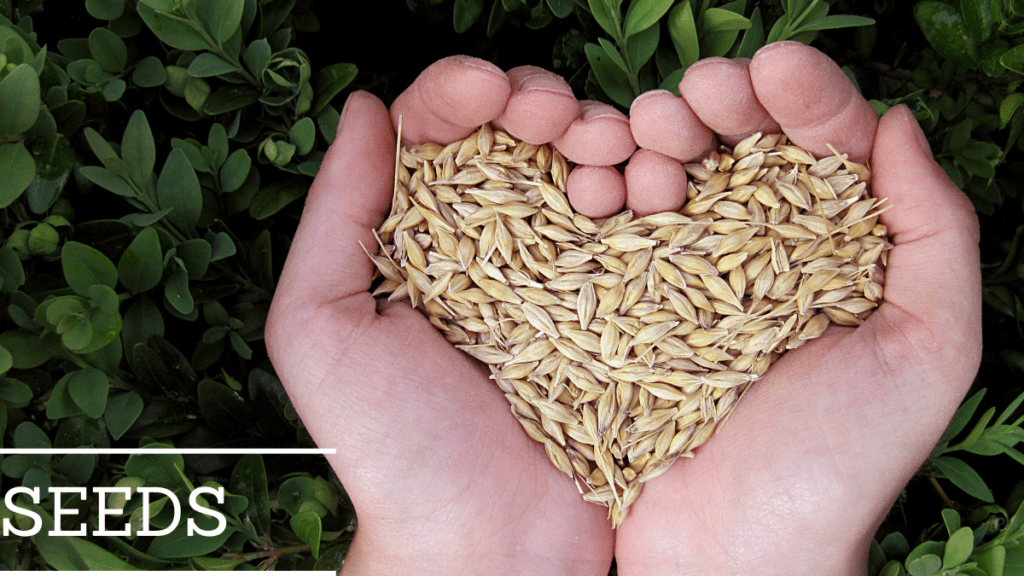
Seeds are the reproductive units of plants and play a vital role in plant growth and survival. They are found in both gymnosperms and angiosperms and are responsible for producing new plants. Each seed carries the genetic information needed to continue a plant species, making seeds essential for agriculture, gardening, and natural ecosystems.
A seed is a young, undeveloped plant enclosed within a protective outer layer known as the seed coat. Inside the seed is the embryo, also called the germ, which contains the future shoot and root systems. This embryo is what develops into a mature plant once the seed germinates under suitable conditions.
Seeds also contain a stored food supply that supports early growth. This food reserve is usually in the form of starch, oil, or protein and provides energy to the embryo during germination. Until the young plant can produce its own food through photosynthesis, this stored nutrition is critical for healthy development.
Seeds vary greatly in shape, size, and color depending on the plant species. Some seeds, such as dandelion seeds, are tiny and lightweight, allowing them to disperse easily by wind. Others, like coconuts, are large and heavy with thick seed coats that protect them and enable long-distance dispersal through water.
This wide diversity in seed structure and function helps plants adapt to different environments. Seeds are the foundation of plant reproduction, food production, and biodiversity, making them essential for sustainable agriculture and ecological balance.

Plant propagation begins with natural reproductive units that carry the genetic blueprint of future crops and plants. These structures are essential for plant life cycles and play a central role in food production, home gardening, and modern farming systems. With the right soil, moisture, and climate conditions, they develop into healthy plants that support ecosystems and human needs.
In agriculture, quality planting material is the foundation of high crop yields and consistent growth. Farmers rely on reliable planting stock to produce grains, vegetables, fruits, and legumes that feed populations worldwide. In home gardens and horticulture, growers use them to cultivate herbs, flowers, and seasonal produce, improving both food security and outdoor aesthetics.
The market today offers a wide range of options, including organic planting varieties, hybrid options, non-GMO choices, and heirloom selections. Each category is suited to different climates, soil types, and cultivation goals. Choosing the right variety improves germination success, plant resistance, and overall productivity.
Sustainable farming also depends on preserving traditional plant varieties. Proper storage, careful handling, and responsible sourcing help maintain long-term viability and protect agricultural diversity. This is especially important for regions facing climate change and soil degradation.
In summary, plant reproduction materials are the starting point of agriculture and gardening success. Selecting high-quality, climate-appropriate options supports healthier growth, stronger harvests, and long-term sustainability for farms, gardens, and commercial growers alike.
Organic seed is seed that is grown, harvested, and processed without the use of synthetic pesticides, fertilizers, or genetically modified organisms (GMOs). Instead, organic seeds are produced using methods that are in harmony with nature, such as crop rotation, composting, and biological pest control. Organic seed production begins with selecting high-quality, non-GMO parent plants that are well-adapted to the local climate and soil conditions. These plants are then allowed to cross-pollinate naturally or are pollinated by hand to produce the next generation of seed.
Organic varieties are often more expensive than conventionally produced seeds because of the added costs associated with organic farming methods, such as the use of cover crops, crop rotation, and hand-weeding. Additionally, organic seed growers must also meet a set of strict organic certification standards set by organizations such as the USDA’s National Organic Program.
Hybrid seeds is created by cross-breeding two different varieties of the same plant species. The resulting varieties will have a combination of characteristics from both parent plants. Hybrid varieties are created by plant breeders who aim to produce plants that have specific desirable traits such as increased yield, disease resistance, or improved flavour.
Hybrid seeds created carefully in controlled cross-breeding of two varieties of plants, also known as the parent plants. The plants chosen for crossbreeding are selected for their specific desirable traits. In special environments with use of diffrent ariculture tools Hybrid varieties are prepared.
One of the main advantages of hybrid varieties is that they often produce plants that have improved characteristics compared to the parent plants. For example, they may have increased yield, improved disease resistance, or a more desirable flavor. This is why hybrid varieties are popular among farmers and gardeners.
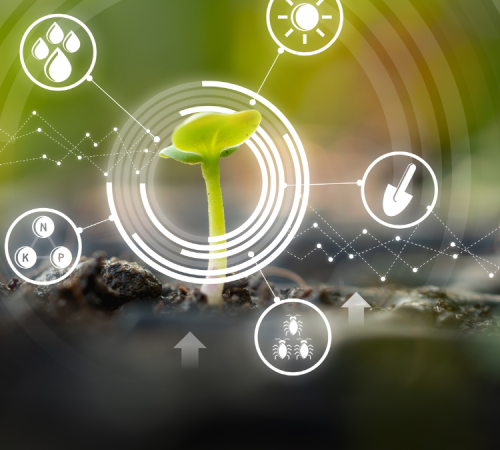
Stratification is a pre-germination process that mimics the natural environmental conditions seeds need to sprout successfully. It involves exposing seeds to cold temperatures for a specific period before planting. This method is commonly known as cold treatment or cold stratification and is essential for breaking seed dormancy in many plant species.
Many seeds, especially those from woody plants, trees, and shrubs, require a cold period before they can germinate. In nature, these seeds fall to the ground in autumn and remain in the soil throughout winter. The prolonged exposure to cold signals the seed that winter has passed and conditions are favorable for growth in spring. Stratification recreates this natural cycle, improving germination rates and ensuring more uniform seedling emergence.
Cold stratification works by softening the seed coat and activating internal biological processes that allow the embryo to grow. Without this cold exposure, many seeds may remain dormant even when planted in ideal soil and moisture conditions. The duration of stratification varies by species. Some seeds need only two to four weeks, while others may require several months of cold treatment to become viable.
The ideal temperature range for cold stratification is between 33°F and 41°F. This temperature range closely matches natural winter soil conditions and prevents seeds from freezing while still providing the cold exposure they need to break dormancy.
One common method is placing seeds in a plastic bag with a moist medium such as peat moss, sand, or vermiculite. The bag is then stored in a refrigerator for the recommended time. Another effective approach is sowing seeds in trays or pots and placing them in a cold frame or unheated greenhouse, allowing nature to provide gradual temperature changes.
Proper seed stratification improves germination success, promotes healthy seedling growth, and saves time during planting. By following correct stratification techniques, gardeners and growers can achieve stronger plants and more reliable results during the growing season.
There is a wide range of seed varieties used in gardens, farms, and landscapes across different regions. Popular options include tomato, chili, cucumber, carrot, spinach, lettuce, onion, cabbage, cauliflower, brinjal, okra, peas, radish, beetroot, capsicum, bottle gourd, bitter gourd, ridge gourd, pumpkin, zucchini, sweet corn, maize, rice, wheat, mustard, soybean, groundnut, sunflower, marigold, rose, zinnia, petunia, cosmos, calendula, jasmine, hibiscus, lotus, basil, coriander, mint, parsley, fenugreek, dill, thyme, oregano, rosemary, lemongrass, turmeric, ginger, cotton, sorghum, millet, chickpea, lentil, pigeon pea, alfalfa, clover, and grass seed for lawns.
These types cover vegetables, field crops, flowers, herbs, shrubs, and forage plants, making them suitable for home gardening, commercial farming, landscaping, and agricultural production. Selecting varieties suited to local climate and soil conditions helps ensure better establishment, healthy growth, and reliable yields throughout the growing season.
To determine if a seed is viable, there are a few methods you can use. The most common method is to conduct a germination test. This involves taking a small sample of seeds, usually between 10-20, and placing them in a damp paper towel or on a plate with a layer of moistened seed starting mix. The seeds should be kept in a warm and dark location, usually between 70-75°F.
After a week or so, you should check to see which seeds have sprouted. If more than 50% of the seeds sprout, they are considered viable. If less than 50% of the seeds sprout, it is possible that the seeds are old or of poor quality. In that case, you may want to consider purchasing new seed. It’s also possible to perform a seed viability test by using a seed germination chamber or by planting the seeds in soil or seed starting mix, in a controlled environment, and monitoring the germination rate.
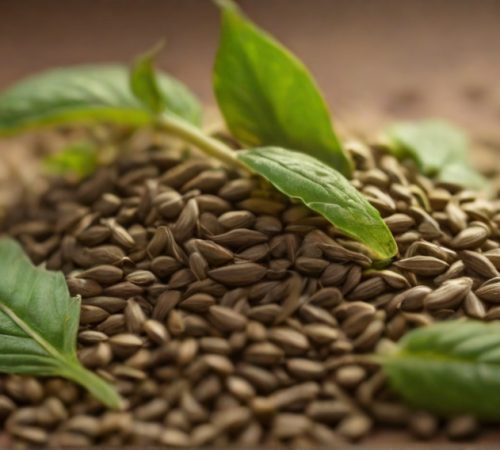
The shelf life of planting material depends largely on its type, quality, and storage conditions. Under ideal circumstances, most planting materials remain usable for two to three years without significant loss in performance. Proper storage plays a key role in preserving viability and ensuring strong, healthy sprouting when planting time arrives. Poor storage practices, however, can quickly reduce quality and lead to disappointing results in the field.
A cool, dry environment away from direct sunlight is essential for maintaining planting material quality. Excess heat and light can damage internal structures, while moisture encourages decay. When stored correctly, planting material retains its natural vigor, supporting uniform germination and early plant growth. In contrast, poor storage conditions can significantly reduce performance and overall yield potential.
Temperature and humidity play a critical role in determining longevity. Exposure to high heat or excessive moisture accelerates deterioration, often causing mold growth, insect damage, or loss of internal moisture. These factors directly impact germination rates, leading to weak, uneven, or delayed plant growth. Using airtight containers is strongly recommended, as they protect planting material from moisture, pests, and environmental fluctuations.
For best results, growers should prioritize fresh planting stock sourced from trusted suppliers. Recently harvested material typically offers higher viability, better energy reserves, and stronger early development. Many farmers and gardeners prefer planting material from the current or previous growing season to ensure reliable outcomes and reduce the risk of failure.
Before planting, conducting a simple germination test is a practical and effective way to assess quality. This quick test helps determine whether the planting material is still viable and capable of producing healthy plants. It saves time, labor, and input costs by preventing the use of poor-quality stock.
Seed content and quality are the cornerstone of productive and sustainable agriculture. Every successful crop begins with a healthy seed that contains strong genetic potential, a viable embryo, and adequate food reserves. When seed quality is high, plants establish faster, grow more uniformly, and perform better throughout the growing season. Poor-quality seeds, on the other hand, often lead to uneven germination, weak growth, and reduced yields, regardless of other inputs.
Selecting the right seed variety is a strategic decision that directly affects farm profitability. Seeds adapted to local climate, soil type, and cropping patterns provide better resistance to environmental stress, pests, and diseases. Certified and improved seeds offer higher germination rates, predictable performance, and improved market value. Investing in quality seeds reduces production risks and increases the likelihood of achieving consistent harvests year after year.
Proper seed storage is essential to maintain seed viability and performance. Exposure to moisture, heat, and sunlight can quickly reduce seed quality. Storing seeds in cool, dry, and airtight conditions preserves the internal moisture balance and prevents fungal growth or insect damage. Careful handling ensures that seeds retain their full potential until planting time, protecting the grower’s investment.
Pre-planting practices such as germination testing, seed treatment, and stratification help maximise seed performance. These techniques confirm seed viability, break dormancy, and encourage strong early growth. Well-prepared seeds establish more evenly, compete better with weeds, and develop healthier root systems, leading to improved crop stability.
In conclusion, seed content and quality play a vital role in agricultural success. By prioritising proper seed selection, effective storage, and proven pre-planting practices, growers can achieve higher yields, better profitability, and long-term farming success. Strong seeds build resilient crops, ensure stable harvests, and support global food security in a changing agricultural landscape.
Agriculture Tool @2026. All Rights Reserved Developed By Raootech