The comparison between old spraying methods and modern agriculture drone spraying technology highlights a major shift in efficiency, precision, safety, and sustainability. With increasing concerns about labor shortages, chemical misuse, environmental damage, and rising costs, drone spraying has emerged as a powerful solution in modern agriculture.
This in-depth, SEO-optimized guide explores both spraying methods, compares their performance, costs, benefits, challenges, and long-term impact on agriculture. The goal is to provide farmers, agribusinesses, and decision-makers with a clear understanding of why agriculture spraying drones are shaping the future of modern farming.
Crop spraying in agriculture refers to the application of chemicals or nutrients to crops to protect them from pests, diseases, weeds, and nutrient deficiencies. Effective spraying ensures healthy plant growth and maximizes yield.
Spraying operations are a core component of modern agriculture, influencing crop quality, production efficiency, and environmental safety. Over time, spraying methods have shifted from labor-intensive practices to advanced precision-based technologies.
Manual spraying is one of the oldest practices in agriculture. Farmers use handheld sprayers, knapsack sprayers, or bucket-based tools to apply chemicals.
Hand sprayers
Knapsack sprayers
Foot-operated sprayers
Manual spraying is still used by small-scale farmers due to low initial cost, but it has several limitations.
As agriculture mechanized, tractor-mounted sprayers became common. These sprayers increased coverage and reduced labor dependency compared to manual methods.
Boom sprayers
Power sprayers
Air blast sprayers
Tractor-mounted tank sprayers
These tools improved spraying speed but still lacked precision and flexibility.
Traditional spraying methods require significant manpower. Manual spraying is physically demanding and time-consuming, especially for large farms.
Old spraying techniques often result in over-spraying or under-spraying. This uneven distribution reduces effectiveness and increases crop damage.
Direct exposure to pesticides and chemicals poses serious health risks. Farmers using manual sprayers often lack proper protective equipment.
Excessive chemical use leads to soil degradation, water contamination, and harm to beneficial insects.
Traditional sprayers struggle in uneven terrain, waterlogged fields, tall crops, and dense plantations.
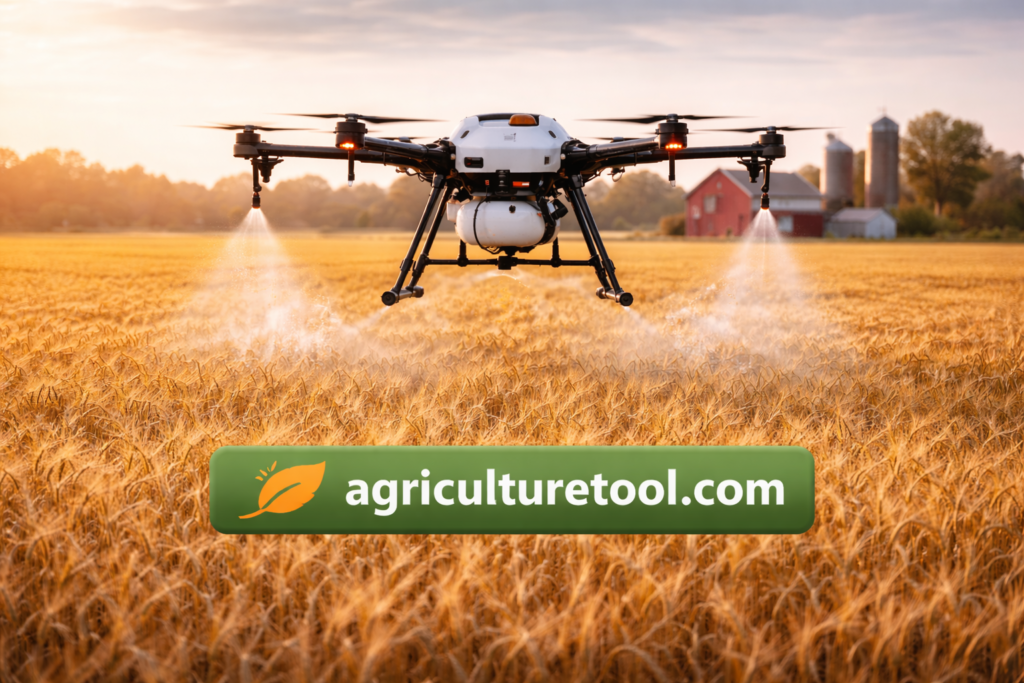
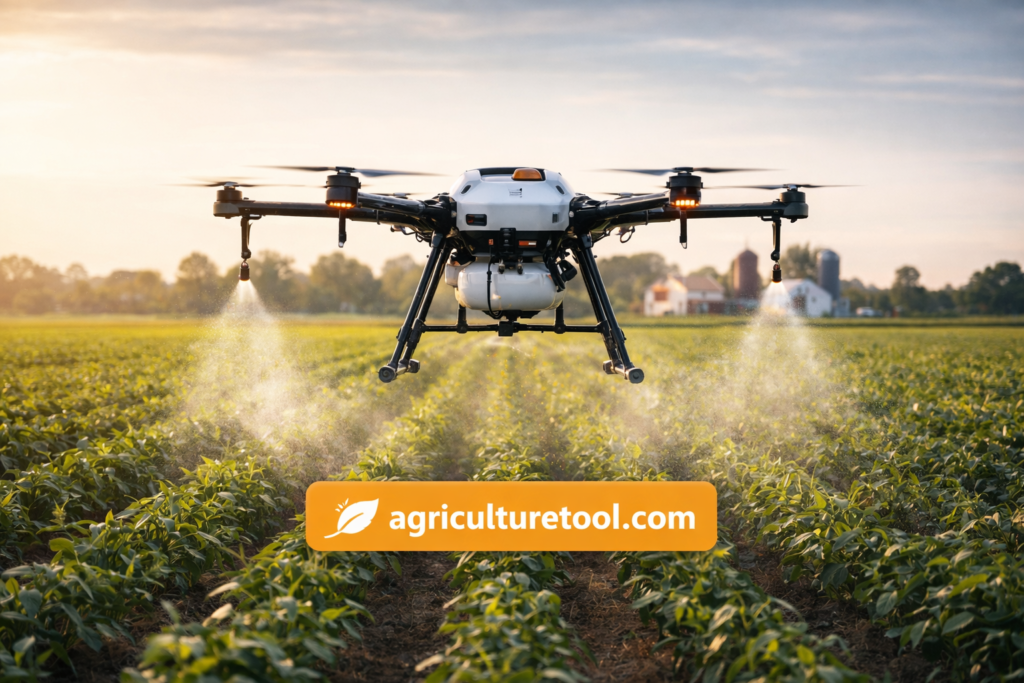
Agriculture spraying drones are unmanned aerial vehicles (UAVs) designed to apply liquids precisely over crops. These drones use GPS, sensors, and automated flight systems to perform spraying operations efficiently.
Drone spraying technology represents a major advancement in modern agriculture, offering precision agriculture solutions that reduce waste and improve productivity.
Modern agriculture spraying drones consist of:
UAV frame and motors
Liquid tank
High-pressure spray nozzles
GPS and RTK positioning systems
Obstacle avoidance sensors
Flight control software
The drone follows a pre-programmed flight path and sprays chemicals evenly at controlled heights. Advanced drones adjust spray rates based on crop density and field conditions.
Traditional spraying methods are slow and require multiple passes. In contrast, agriculture spraying drones can cover large areas in a short time.
Drone spraying improves operational efficiency by up to 5–10 times compared to manual spraying.
Old spraying methods lack precision, leading to chemical drift and wastage. Drone spraying uses precision agriculture technology to target specific areas.
This accuracy reduces chemical use by up to 30–50 percent.
While traditional sprayers have lower upfront costs, long-term expenses are higher due to labor, fuel, and chemical wastage.
Drone spraying technology offers long-term savings through reduced labor costs, optimized chemical usage, and improved yield.
Manual spraying exposes farmers directly to harmful chemicals. Agriculture spraying drones eliminate direct contact, improving worker safety.
Drones can spray crops in hilly areas, orchards, flooded fields, and tall crops where tractors cannot operate.
Drone spraying supports sustainable agriculture by minimizing chemical runoff, protecting soil health, and reducing carbon emissions.
Precision spraying ensures that crops receive the right amount of chemicals, improving plant health and resistance to pests and diseases.
Farmers using drone spraying technology often report higher yields and better crop uniformity.
Precision agriculture relies on data-driven decisions. Agriculture spraying drones integrate with satellite imagery, soil data, and farm management software.
This integration allows variable-rate spraying, site-specific treatment, and real-time monitoring.
Reduced labor dependency
Lower chemical costs
Faster spraying operations
Increased farm profitability
Drone spraying is especially beneficial for large-scale and commercial agriculture operations.
Used for wheat, rice, maize, cotton, and sugarcane.
Ideal for fruit trees, tea, coffee, and vineyards.
Ensures precise application in vegetables and greenhouse farming.
GPS-enabled agriculture drones
AI-based spraying software
Variable rate nozzles
Smart farm management platforms
These tools enhance efficiency and decision-making in modern agriculture.
Despite its advantages, drone spraying faces challenges:
High initial investment
Regulatory restrictions
Battery limitations
Need for trained operators
However, technological advancements and supportive policies are reducing these barriers.
Labor intensive
Low precision
High chemical usage
Health risks
Limited terrain access
Highly efficient
Precision-based
Reduced chemical use
Improved safety
Suitable for all terrains
The future of agriculture spraying lies in automation, AI, and robotics. Autonomous drone fleets, real-time analytics, and smart spraying algorithms will further improve efficiency.
Drone technology will play a key role in climate-smart agriculture and sustainable food production.
The comparison between old spraying methods and modern agriculture spraying drone technology clearly shows the advantages of drone-based solutions. While traditional methods laid the foundation of crop protection, modern agriculture requires precision, efficiency, and sustainability.
Agriculture spraying drones reduce costs, improve safety, increase yield, and protect the environment. As technology becomes more accessible, drone spraying will become an essential component of modern agriculture systems worldwide.
The main difference between old spraying methods and drone spraying in agriculture lies in efficiency, precision, and technology. Traditional spraying methods rely heavily on manual labor, handheld sprayers, knapsack sprayers, or tractor-mounted mechanical equipment. These methods are time-consuming, labor-intensive, and often result in uneven chemical application. Farmers may over-spray certain areas while missing others, leading to wastage of chemicals and reduced crop protection.
In contrast, agriculture drone spraying uses automated aerial technology to perform precise spraying operations. Drones are equipped with GPS, sensors, and high-precision nozzles that ensure uniform application of pesticides, herbicides, fungicides, and fertilizers. They can cover large areas quickly, access difficult terrains such as hilly fields or flooded areas, and operate without direct human contact with chemicals. This advanced technology not only improves the efficiency of spraying but also supports precision agriculture practices, ultimately increasing crop yield and reducing input costs.
Yes, agriculture spraying drone technology significantly enhances safety for farmers and workers. Traditional manual spraying exposes farmers to hazardous chemicals, increasing the risk of skin irritation, respiratory problems, and long-term health complications. Protective equipment can help, but it does not completely eliminate exposure.
Drone spraying eliminates the need for direct human contact with chemicals. Operators can control the drones remotely, ensuring that pesticides and fertilizers are applied safely from a distance. Additionally, modern drones are designed with safety features such as obstacle detection, automatic landing, and emergency shutdown, further reducing the risk of accidents. By adopting drone spraying, farmers can protect their health while maintaining effective crop protection measures.
Yes, agriculture drones are highly effective in reducing chemical usage. Precision spraying technology ensures that chemicals are applied exactly where needed, avoiding over-application and wastage. Sensors and GPS technology allow drones to identify crop density, growth stages, and specific areas requiring treatment.
Studies have shown that drone spraying can reduce chemical usage by 30–50 percent compared to traditional methods. This not only lowers production costs but also minimizes environmental contamination, protecting soil, water sources, and beneficial insects. Reduced chemical use aligns with sustainable agriculture practices and helps farmers meet regulatory requirements for responsible pesticide application.
Yes, agriculture spraying drones are increasingly accessible to small-scale farmers through shared services and rental models. While the initial investment in drone technology may be high, cooperative models allow small farmers to benefit from drone spraying without bearing the full cost.
Local agricultural service providers often offer drone spraying as a service, where multiple farmers in a community can book spraying sessions based on crop requirements. This model enables small farmers to access advanced precision agriculture technology, increase crop productivity, and reduce labor and chemical costs. As technology advances and becomes more affordable, drone spraying is becoming a practical solution for farms of all sizes.
Agriculture drones are versatile and can be used for a wide range of crops. They are effective for:
Field crops: wheat, rice, maize, cotton, sugarcane, and other staple crops.
Orchards and plantations: fruit trees such as apples, citrus, mangoes, and plantations like tea and coffee.
Vegetables and high-value crops: tomatoes, peppers, cucumbers, and greenhouse vegetables.
Specialty crops: vineyards, flower plantations, and medicinal plants.
The adjustable spray systems of drones allow farmers to tailor the application rate and coverage for different crop types, ensuring optimal growth and protection.
Yes, drone spraying supports environmentally friendly and sustainable agriculture practices. By using precision technology, drones minimize chemical runoff into soil and water, reduce the impact on non-target organisms, and prevent overuse of fertilizers and pesticides. This helps preserve biodiversity, maintain soil health, and reduce pollution.
Moreover, drones consume less fuel compared to tractor-mounted sprayers, lowering carbon emissions and energy usage. Their ability to spray in a controlled and targeted manner aligns with the goals of modern sustainable agriculture, promoting eco-friendly crop management while maintaining high productivity
Agriculture Tool @2026. All Rights Reserved Developed By Raootech