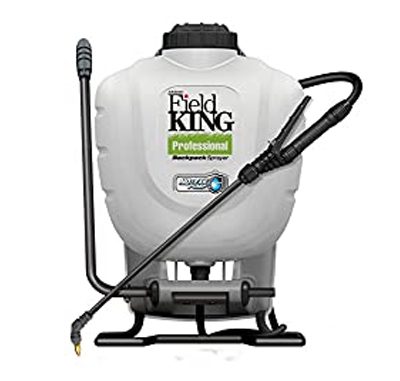
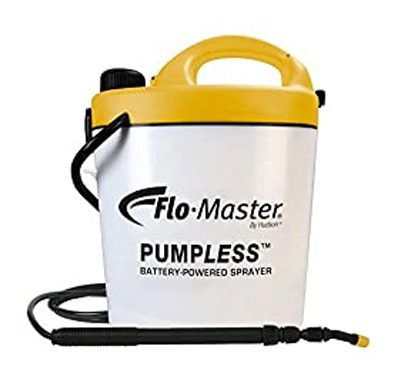
Agriculture sprayers are one of the most essential tools in modern farming, helping farmers apply fertilizers, pesticides, herbicides, and nutrients efficiently across crops. In the United States, agriculture spraying equipment plays a critical role in improving crop yield, reducing waste, and saving labor costs. From small farms to large commercial operations, sprayers in agriculture are now considered a necessity rather than an option.
This comprehensive guide explains everything about agriculture sprayers, including types, components, tanks, tractor-mounted systems, manufacturers, and where to find used agricultural sprayers for sale. Whether you are a beginner farmer or a commercial grower, this guide will help you make informed decisions.
Agriculture sprayers are machines designed to distribute liquid solutions evenly over crops or soil. These solutions may include pesticides, herbicides, fungicides, fertilizers, or micronutrients. The main purpose of agriculture spraying equipment is to ensure accurate application while minimizing chemical waste and environmental impact.
Sprayers in agriculture are used across different farming systems, including row crops, orchards, vineyards, and large grain fields. Modern sprayers are designed with precision technology, allowing farmers to control droplet size, spray pressure, and coverage area.
Sprayers play a crucial role in agricultural productivity. Without efficient spraying systems, farmers would struggle to protect crops from pests and diseases or supply nutrients evenly.
Key benefits of agriculture sprayers include:
Uniform chemical application across crops
Reduced labor and operational costs
Improved crop health and yield
Time efficiency during critical growth stages
Better compliance with safety and environmental standards
As farming operations expand, reliable agriculture spraying equipment becomes even more important for maintaining consistent results.
There are several types of agriculture sprayers available in the US market, each designed for specific farm sizes and crop types.
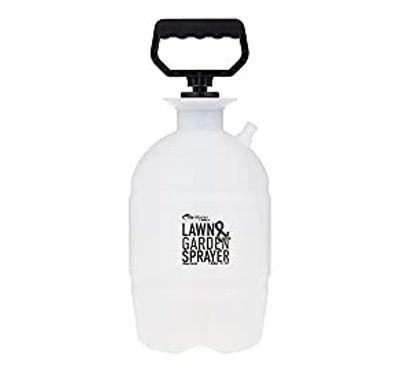
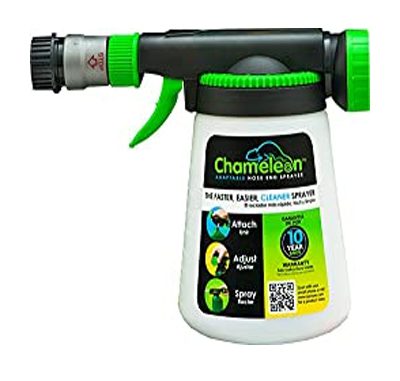
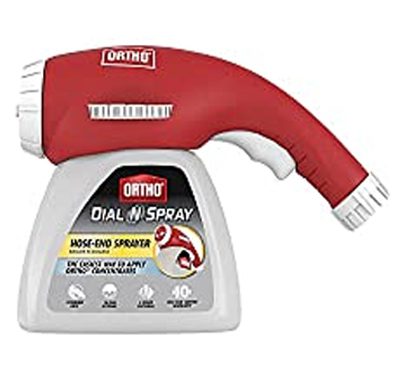
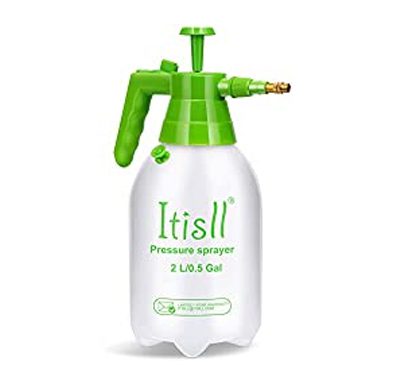
These are commonly used on small farms, gardens, and specialty crops. Handheld sprayers are affordable and easy to operate but are limited in capacity.
They are ideal for:
Small plots
Spot spraying
Organic and home farming
An agriculture sprayer tractor system is widely used on medium to large farms. These sprayers are attached to tractors and can cover large areas efficiently.
Advantages include:
High spraying capacity
Adjustable boom widths
Compatibility with large agriculture sprayer tanks
Tractor sprayers are commonly used in grain crops, corn, wheat, and soybeans.
These sprayers are designed for large-scale commercial farming. They feature large tanks, powerful pumps, and advanced control systems.
Self-propelled sprayers offer:
High speed
Precision spraying
Reduced soil compaction
Although still developing, drone spraying systems are gaining popularity for precision agriculture. These systems are often used in difficult terrain or small targeted applications.
Understanding the components of agriculture spraying equipment helps farmers maintain efficiency and avoid downtime.
The agriculture sprayer tank holds the liquid solution to be sprayed. Tanks are typically made of polyethylene or stainless steel and come in various sizes.
Key features to consider:
Capacity (gallons or liters)
Chemical resistance
Easy cleaning design
Internal agitation systems
Choosing the right tank size depends on farm size and spraying frequency.
Sprayer pumps control liquid flow and pressure. Common pump types include diaphragm pumps, centrifugal pumps, and piston pumps.
Efficient pump systems ensure:
Consistent spray pressure
Accurate application rates
Longer equipment life
Nozzles determine spray pattern and droplet size. Selecting the right nozzle is essential to avoid drift and ensure proper coverage.
Boom systems allow uniform spraying across wide areas, especially in tractor-mounted sprayers.
An agriculture sprayer tractor setup is one of the most popular solutions in US farming. These systems allow farmers to spray large areas quickly while maintaining precision.
Benefits include:
Easy attachment and detachment
Compatibility with GPS guidance systems
Lower labor costs per acre
Farmers growing row crops often rely on tractor-mounted sprayers for consistent seasonal spraying.
The US market is home to many well-established agriculture sprayer manufacturers producing reliable and durable equipment.
Well-known manufacturers focus on:
Long-lasting build quality
Precision technology integration
After-sales support and spare parts availability
Choosing trusted agriculture sprayer manufacturers ensures better performance, warranty protection, and long-term reliability.
While manufacturers produce the equipment, agriculture sprayer companies often handle distribution, customization, and servicing.
Agriculture sprayer companies provide:
Local dealer support
Installation and setup services
Maintenance and repair assistance
Working with reputable companies ensures access to expert advice and technical support.
Buying used agricultural sprayers for sale is a common practice among farmers looking to reduce initial investment costs.
Lower purchase price
Immediate availability
Suitable for seasonal or backup use
Condition of the sprayer tank
Pump performance
Hose and nozzle wear
Structural integrity of the frame
Used sprayers can be a smart investment if inspected carefully and purchased from reliable sellers.
Selecting the right sprayer depends on multiple factors, including farm size, crop type, and budget.
Consider the following:
Field size and layout
Frequency of spraying
Chemical compatibility
Tractor horsepower requirements
Availability of service and parts
Matching the sprayer to your farming needs improves efficiency and reduces operational issues.
Safe spraying practices are essential when using agriculture spraying equipment.
Best practices include:
Wearing protective gear
Calibrating sprayers regularly
Avoiding spraying in windy conditions
Proper chemical storage and disposal
Modern agriculture sprayers are designed to minimise drift and environmental impact when used correctly.
Regular maintenance extends the life of agriculture sprayers and ensures consistent performance.
Key maintenance steps:
Clean tanks after every use
Inspect hoses and seals
Check pump pressure
Replace worn nozzles
Well-maintained sprayers reduce downtime and improve spray accuracy.
Technology is rapidly transforming sprayers in agriculture. GPS mapping, automated rate control, and precision sensors are becoming standard features in advanced spraying equipment.
Future developments focus on:
Reduced chemical usage
Enhanced accuracy
Smart data-driven spraying
These innovations help farmers improve productivity while maintaining sustainability.
Agriculture sprayers are used to apply pesticides, fertilizers, herbicides, and nutrients evenly across crops.
Tank size depends on field size and spraying frequency. Larger farms require higher-capacity tanks.
Yes, used agricultural sprayers can be reliable if properly inspected and maintained.
Tractor-mounted boom sprayers are commonly used for medium to large farms.
Sprayers should be inspected before every season and cleaned after each use.
Agriculture sprayers are a vital investment for farmers aiming to increase efficiency, protect crops, and improve yields. With various agriculture spraying equipment options available—from tractor-mounted systems to advanced precision agricultural spray drones —choosing the right solution depends on your farm’s size and needs.
By understanding sprayers in agriculture, evaluating agriculture sprayer tanks, working with trusted agricultural sprayer manufacturers, and considering used agricultural sprayers for sale, farmers can make smart, cost-effective decisions that support long-term success.
Agriculture Tool @2026. All Rights Reserved Developed By Raootech