Modern farming in the United States is rapidly evolving, and agriculture spray drones are playing a major role in this transformation. As farmers face rising labor costs, tighter environmental regulations, and the need to improve crop yields, drone spraying technology offers an efficient, cost-effective, and highly accurate solution. These advanced systems are now widely used for applying fertilizers, pesticides, herbicides, and nutrients across different crop types.
Unlike traditional ground equipment or manned aircraft, agricultural drone spraying provide precise coverage with minimal waste. This makes them especially attractive for small to mid-sized farms, specialty crop growers, and large commercial operations looking to improve efficiency and sustainability.
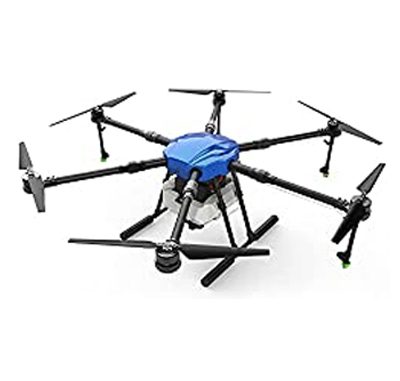
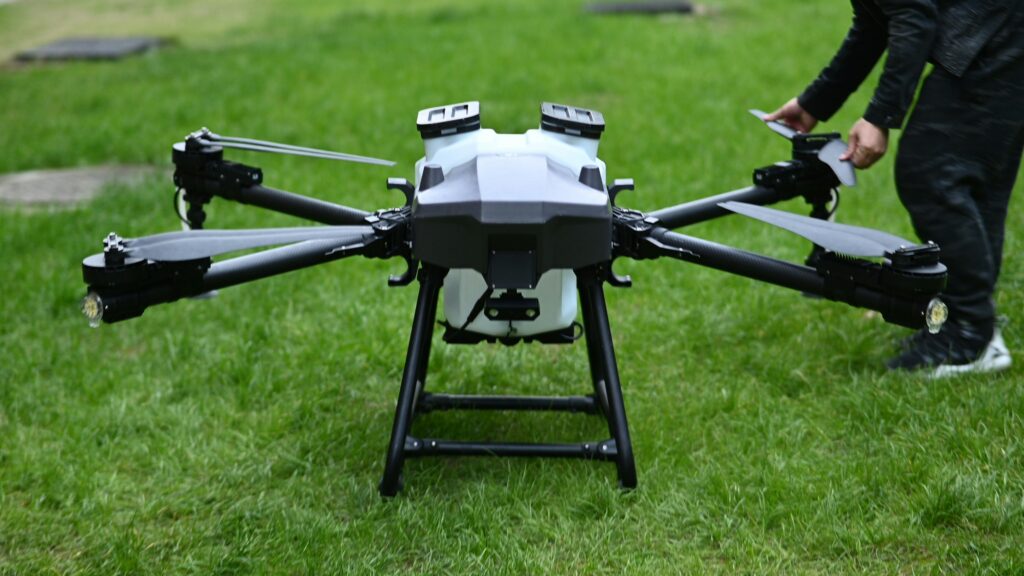
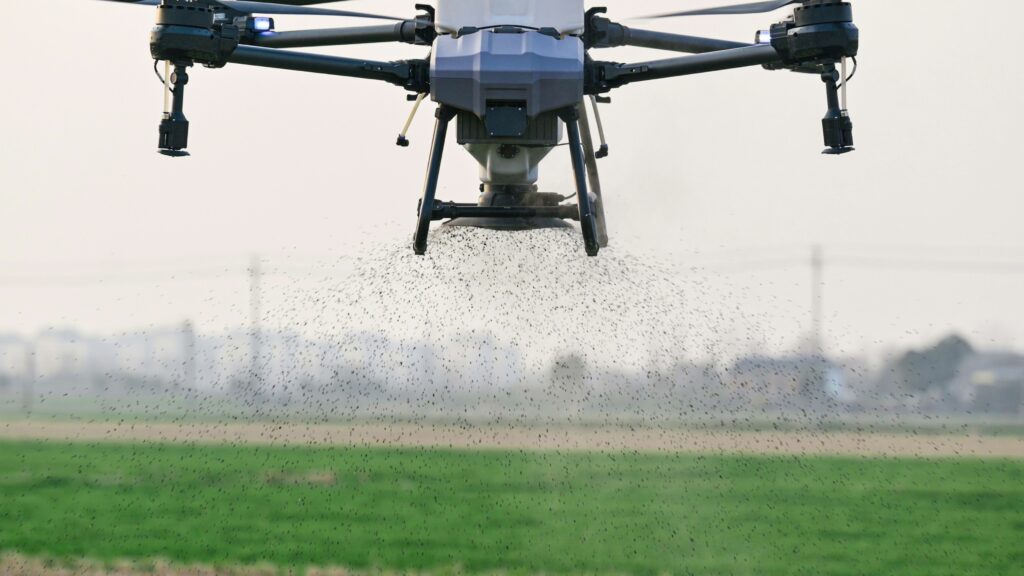
Drone agriculture spraying refers to the use of unmanned aerial vehicles (UAVs) designed specifically for agricultural spraying tasks. These drones carry liquid tanks and precision nozzles that distribute chemicals evenly across crops. Using GPS guidance, terrain sensors, and automated flight paths, agricultural drones ensure uniform application even in hard-to-reach areas.
Farmers across the USA use agriculture drone for spraying fertilizer and pesticides for crops such as corn, soybeans, wheat, cotton, vineyards, orchards, and vegetable farms. The technology is especially useful in fields where tractors may damage crops or where uneven land makes ground spraying inefficient.
One of the biggest advantages of agricultural drone spraying at crops is operational efficiency. A single drone can cover dozens of acres per hour while using significantly less chemical input than traditional sprayers. This reduces costs and minimizes environmental impact.
Drone spraying systems also allow targeted application. Instead of treating an entire field, farmers can spray only affected areas, which helps control pests and diseases while protecting beneficial insects and soil health. This precision approach aligns with sustainable agriculture practices increasingly promoted in the United States.
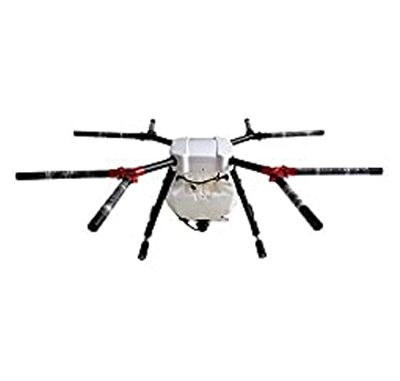
Agriculture spray drones provide several advantages that directly impact profitability and productivity.
They reduce labor dependency by automating spraying tasks. One trained operator can manage multiple drones, which is valuable during labor shortages.
They improve spray accuracy using smart sensors and AI-powered mapping. This ensures consistent droplet size and even distribution.
They lower water and chemical usage, helping farmers comply with EPA guidelines and reduce runoff.
They operate in conditions where traditional equipment cannot, such as wet soil, steep slopes, or densely planted crops.
These benefits make agricultural drone services a practical investment for both independent farmers and large agribusinesses.
The crop spraying drone price varies based on capacity, features, and brand. In the United States, entry-level agricultural drones typically start around $5,000 to $8,000. Mid-range professional models cost between $10,000 and $20,000, while high-capacity commercial drones can exceed $25,000.
Pricing depends on factors such as tank size, battery life, spray width, automation level, and software integration. Some advanced models include real-time crop monitoring, variable rate spraying, and AI-based obstacle avoidance.
For farmers not ready to purchase equipment, agricultural drone services provide an affordable alternative with no upfront investment.
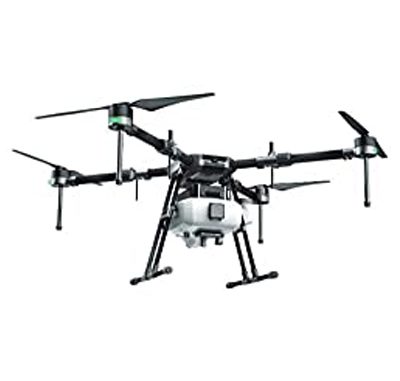
Agricultural drone services are becoming increasingly popular across the USA. These service providers handle everything from flight planning and spraying to compliance with FAA regulations. Farmers simply pay per acre or per application.
This model is ideal for seasonal operations or farms with limited acreage. It also eliminates maintenance, training, and licensing costs. Many drone service providers offer bundled packages that include crop health analysis, NDVI mapping, and spray reports, adding extra value beyond spraying alone.
As demand grows, competition among service providers is increasing, making pricing more affordable for farmers.
Operating agriculture spray drones in the USA requires compliance with Federal Aviation Administration (FAA) regulations. Commercial operators must hold a Part 107 Remote Pilot Certificate, which involves passing an aeronautical knowledge test and background check.
Drones must be registered with the FAA and flown within approved guidelines, including altitude limits, visual line-of-sight rules, and restricted airspace compliance. For spraying operations, additional approvals may be required due to payload and chemical application.
Professional agricultural drone services ensure full regulatory compliance, which reduces legal risks for farmers.
Drone spraying crops is highly versatile and suitable for a wide range of agricultural applications across the United States. Modern agriculture spray drones can be used effectively on row crops, specialty crops, and even vegetables, making them an essential tool for precision farming.
Crops such as corn, soybeans, and wheat benefit greatly from uniform coverage provided by drone spraying. Traditional sprayers often leave gaps or over-apply chemicals in certain areas, leading to uneven growth and wasted resources. With drone spraying, farmers can ensure consistent pesticide and fertilizer application, which improves crop health and maximizes yield.
Specialty crops like vineyards, orchards, and berries gain significant advantages from drone spraying. Precision targeting minimizes leaf and fruit damage, which is common with conventional spraying methods. By applying the correct dosage in specific areas, drones protect the delicate structure of these crops while maintaining high-quality produce.
Vegetable farms rely on drone spraying crops for timely pest control and nutrient application. Drones can access tight spaces between rows and deliver chemicals precisely where needed. Similarly, crops such as rice and cotton, which often grow in wet or flooded conditions, benefit from drones’ ability to operate efficiently without soil compaction or machinery damage.
The ability of agriculture spray drones to cover diverse crop types efficiently makes them indispensable for modern American agriculture. By combining precision, speed, and safety, drone spraying reduces chemical use, improves crop yield, and supports sustainable farming practices across the USA.
Return on investment (ROI) is a critical factor for farmers considering agriculture spray drones. While the initial crop spraying drone price may appear high, the long-term benefits often outweigh the upfront costs. Most farmers report that drones pay for themselves within one to two growing seasons, thanks to reduced chemical usage, lower labor expenses, and increased crop yields. By precisely targeting crops, drone spraying crops minimizes over-application of fertilizers and pesticides, saving money and protecting the environment.
In addition to financial savings, drones provide significant operational flexibility. Farmers can respond quickly to pest infestations, nutrient deficiencies, or disease outbreaks, ensuring timely intervention that protects both yield and revenue. Unlike traditional spraying methods, which may require scheduling large machinery or manual labor, drones can be deployed rapidly to cover fields efficiently.
Moreover, agricultural drone services allow farmers who do not own drones to access this technology affordably. Service providers offer per-acre pricing, making it feasible for small and mid-sized farms to enjoy the benefits of precision drone spraying. Using drones for crop spraying also reduces human exposure to chemicals, enhancing safety while maintaining optimal crop health.
By combining agriculture spray drones, drone spraying, and data-driven monitoring, farmers achieve higher efficiency, better crop quality, and a faster ROI. Investing in drone technology today ensures improved long-term profitability and positions farms to take advantage of the growing trend toward precision agriculture in the USA.
Selecting the right agriculture spray drone is critical for maximizing efficiency, ROI, and crop health. Choosing a drone depends on several factors, including farm size, crop type, and budget. Understanding your farm’s unique requirements ensures that you invest in a drone that delivers optimal performance without unnecessary costs.
For smaller farms, compact drones with moderate payloads and shorter flight times are often sufficient. These models are easy to operate, require minimal maintenance, and are perfect for drone spraying crops in tight fields or high-density vegetable plots. On the other hand, large commercial farms benefit from high-capacity drones with extended flight times, larger chemical tanks, and the ability to cover multiple acres in a single session. Crops such as corn, soybeans, wheat, and cotton may require larger drones, while specialty crops like vineyards and orchards benefit from precision-oriented models.
Farmers should prioritize drones with high spray precision, user-friendly software, and efficient battery performance. Maintenance ease is also important, as regular servicing ensures consistent performance and longevity. Compatibility with mapping and monitoring software allows drones to integrate seamlessly into modern precision farming systems.
Reliable manufacturer support, warranty coverage, and the availability of replacement parts are essential considerations in the USA. Investing in a reputable brand ensures that technical issues can be addressed promptly, minimizing downtime during critical spraying periods.
By carefully evaluating these factors, farmers can select the ideal crop spraying drone, maximize operational efficiency, reduce chemical waste, and achieve higher crop yields while maintaining safety and sustainability.
The future of agriculture spray drones is increasingly linked to artificial intelligence (AI) and automation, transforming the way crops are managed across the United States. Modern AI-driven drones can monitor crops in real time, detecting early signs of stress, pest infestations, and nutrient deficiencies. This allows farmers to act quickly, applying the right amount of fertilizer or pesticide exactly where it’s needed. By integrating AI technology, drone spraying crops becomes more precise, reducing chemical usage and maximizing crop yield.
Autonomous drone fleets are also on the rise. These fleets can operate multiple drones simultaneously over large fields, enabling high-efficiency spraying operations without constant human supervision. Automated flight planning, obstacle detection, and adaptive spraying patterns are making it possible for drones to cover more acreage in less time while maintaining accuracy. This level of automation represents a major step forward in agricultural drone services, giving farmers access to next-generation precision farming tools.
As FAA regulations evolve and drone technology matures, adoption rates are expected to grow rapidly across the USA. More farmers, both large and small, are investing in crop spraying drones or subscribing to drone service providers to improve efficiency, reduce costs, and protect the environment. This growth also opens long-term opportunities for Amazon affiliates and marketers specializing in agricultural drones and accessories. By staying ahead of trends in AI-powered drone spraying, affiliates can provide valuable information, product reviews, and purchase recommendations to a fast-growing market.
Yes, agriculture spray drones are completely legal in the USA when operated according to FAA Part 107 regulations. The Federal Aviation Administration requires all commercial drone operators to hold a Remote Pilot Certificate and to follow strict safety guidelines. Additionally, drones must be registered with the FAA, and operators must comply with rules regarding altitude, line-of-sight, and airspace restrictions.
By following these regulations, farmers and service providers can safely and legally use drones for drone spraying crops, crop monitoring, and other agricultural applications. Compliance not only ensures legality but also maximizes operational efficiency and safety for workers and crops. Legal operation of drones also protects your farm from potential fines or operational interruptions, making it a crucial first step before investing in agriculture spray drones.
The crop spraying drone price varies widely based on capacity, technology, and features. Entry-level models suitable for small farms may start around $5,000, providing 5–8 liters of tank capacity and basic spraying automation. Mid-range drones, designed for larger farms, can cost $10,000 to $15,000 and offer improved flight time, GPS-guided precision, and higher chemical capacity. Professional-grade drones used by commercial farms can exceed $25,000, featuring advanced sensors, AI-assisted flight paths, and large tank capacities for extensive coverage.
When considering cost, it’s important to factor in long-term savings. Drones reduce labor, fuel, and chemical expenses, which often results in rapid ROI compared to traditional spraying methods. Additionally, service providers may offer agricultural drone services on a per-acre basis, allowing small and mid-sized farms to access drone technology without a significant upfront investment.
Absolutely. Drone spraying provides higher precision compared to tractors, manual sprayers, or aerial planes. Drones use GPS-guided navigation and variable-rate spraying systems, which ensures chemicals are applied only where needed, reducing over-application and crop damage.
Other advantages over traditional methods include:
Faster coverage of large fields.
Reduced labor costs and fuel consumption.
Minimal soil compaction, which preserves crop roots.
Enhanced safety for farm workers by minimizing chemical exposure.
Farmers who adopt agriculture spray drones report better crop health, higher yields, and lower chemical usage. Over time, this makes drones a more sustainable and profitable choice than traditional spraying methods.
Yes, small farms can benefit significantly from agricultural drone services. Many service providers in the USA offer per-acre pricing, making drone spraying accessible without purchasing expensive equipment. This allows smaller farms to take advantage of precision agriculture technologies and improve crop yield while staying within budget.
Drones are versatile and suitable for a wide range of crops. Some of the most common crops that benefit from drone spraying crops include:
Corn and soybeans – for uniform pesticide application.
Wheat and cotton – for targeted fertilization and pest control.
Vineyards and orchards – precise spraying reduces chemical drift and crop damage.
Vegetables – faster coverage ensures timely protection against pests and disease.
In general, crops that require frequent spraying and precise chemical application see the highest efficiency and cost benefits from drone technology.
Agriculture spray drones are redefining how crops are protected and nourished in the United States. From reducing costs to improving yields and sustainability, drone spraying crops has become a powerful tool for modern farmers. Whether purchasing equipment or using agricultural drone services, adopting this technology offers a competitive edge in today’s demanding agricultural landscape.
For affiliate and AdSense websites, this niche provides high-value traffic, strong buyer intent, and long-term growth potential as smart farming continues to expand nationwide.
Agriculture Tool @2026. All Rights Reserved Developed By Raootech